
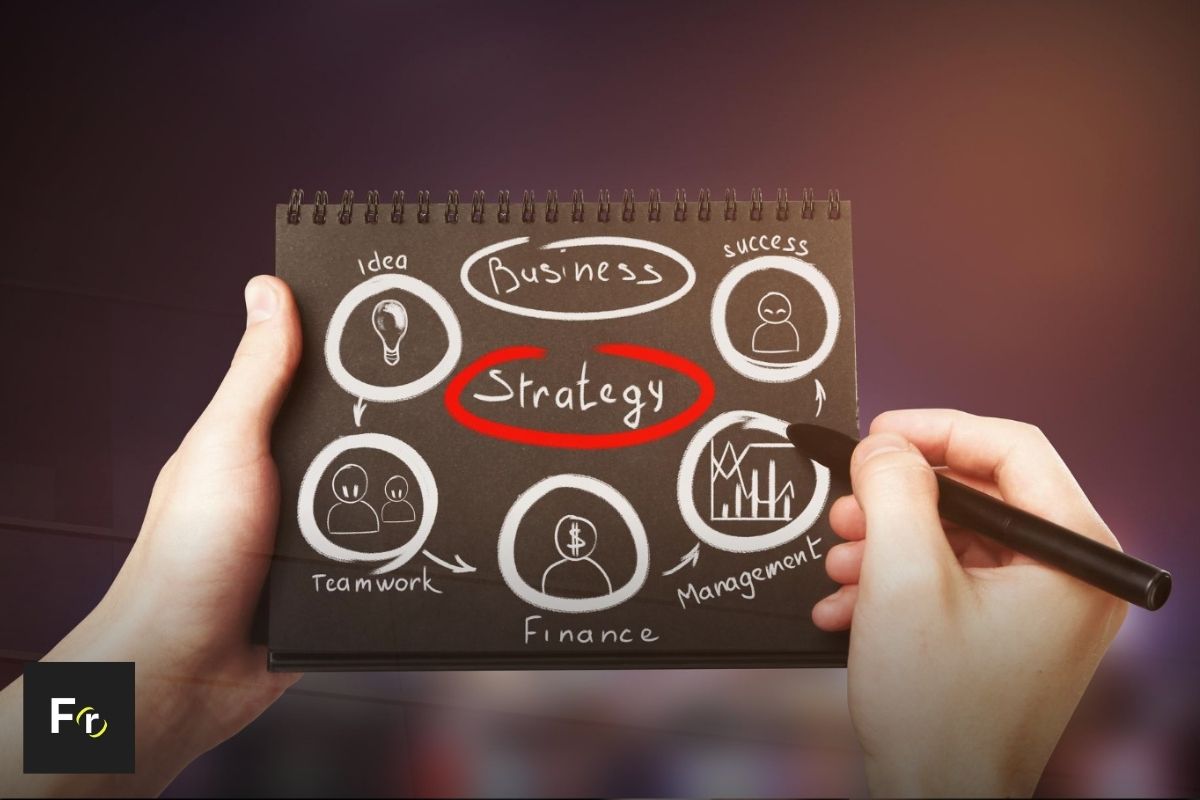
Why the Best Marketing Strategies Fit on One Page
February 2026
In a world of endless presentations and 100-slide decks, the most effective strategies often fit on a single page. A Strategy-on-a-Page forces clarity by defining the real problem, uncovering the human insight, shaping a sharp strategy, and aligning tactics around it. When the foundation is this clear, teams move with direction instead of chaos, and execution becomes far more powerful.
Why the Best Strategies Often Fit on One Page
In many organizations, strategy is presented through long decks filled with dozens of slides. While detailed documentation has its place, the most effective strategies often start with something much simpler: a single, clear page.
A strategy-on-a-page doesn't reduce complexity—it forces clarity. It pushes teams to focus on the most important questions instead of getting lost in excessive information. As we explore in clarity beats complexity, this is a principle that applies across all of marketing.
Strategy-on-a-Page Forces Clear Thinking
When space is limited to one page, every word must matter. Teams are required to focus on what truly drives change rather than documenting every possible detail.
This approach encourages sharper thinking about the real challenge and the actions required to address it.
Key questions a one-page strategy answers:
- What is the real problem we need to solve?
- What do we know about our audience?
- What behaviour or perception needs to change?
- What actions will create that change?
Defining the Real Problem
Many strategies fail because they address symptoms instead of root causes. A drop in sales or engagement may look like the problem, but the underlying issue is often a change in perception, behaviour, or relevance.
Identifying the true problem allows teams to focus their efforts where it actually matters. This is also the core lesson from problem-first branding — the problem must come before the solution.
What defining the problem involves:
- Looking beyond metrics or surface-level indicators
- Understanding the behaviour that is holding the brand back
- Identifying the perception that needs to change
Finding the Human Insight
Data tells us what people are doing, but insight explains why they are doing it. The most effective strategies uncover the emotional or psychological truth that drives audience behaviour.
A strong insight connects numbers with human experience, making the strategy more relatable and effective. Learn how soft skills and storytelling translate insight into influence.
Turning Insight Into Strategy and Action
Once the problem and insight are clear, the strategy becomes the single guiding idea that explains how to shift perception or behaviour. From there, tactics are simply the actions that bring the strategy to life.
Without this structure, tactics often become random activities rather than purposeful decisions. This is exactly what brands can learn from Mumbai's construction chaos — activity without a roadmap creates confusion.
Why One Page Can Align an Entire Team
A well-structured one-page strategy becomes a shared reference point for everyone involved—founders, marketers, creative teams, and performance specialists.
When the foundation is clear, detailed planning becomes easier and more consistent across departments.
Great strategies are not defined by their length. They are defined by clarity, alignment, and the ability to guide action. When those elements are present, even the most powerful strategy can fit on a single page. Work with Fruture to build yours, or explore our branding and creative services.
Related Insights


Why Brand Bharat Matters Now More Than Ever - A Lesson in Branding
August 14, 2026
Discover why Brand Bharat is emerging as a global force. Explore India's transformation through Make in India, Sanatan Dharma, cultural heritage and more with the takeaway of how branding agencies and creative agencies can learn from India's evolving identity.
