
Problem First Branding: Zohran Mamdani's Campaign Strategy
November 2025
What happens when political messaging meets modern branding? This blog breaks down how bold visual identity, cultural language, and a real community problem helped shape a campaign that felt less like politics and more like a movement.
When politics borrowed from branding, New York listened. Zohran Mamdani didn't build a traditional political brand. Instead, his creative agency, Forge, built something closer to a neighbourhood brand. The campaign didn't feel like typical political messaging. It felt local, culturally rooted, and relatable — more like a community movement than a standard election campaign.
What Stood Out in the Campaign Branding
The campaign used strong visual and communication elements that made it instantly recognizable and shareable.
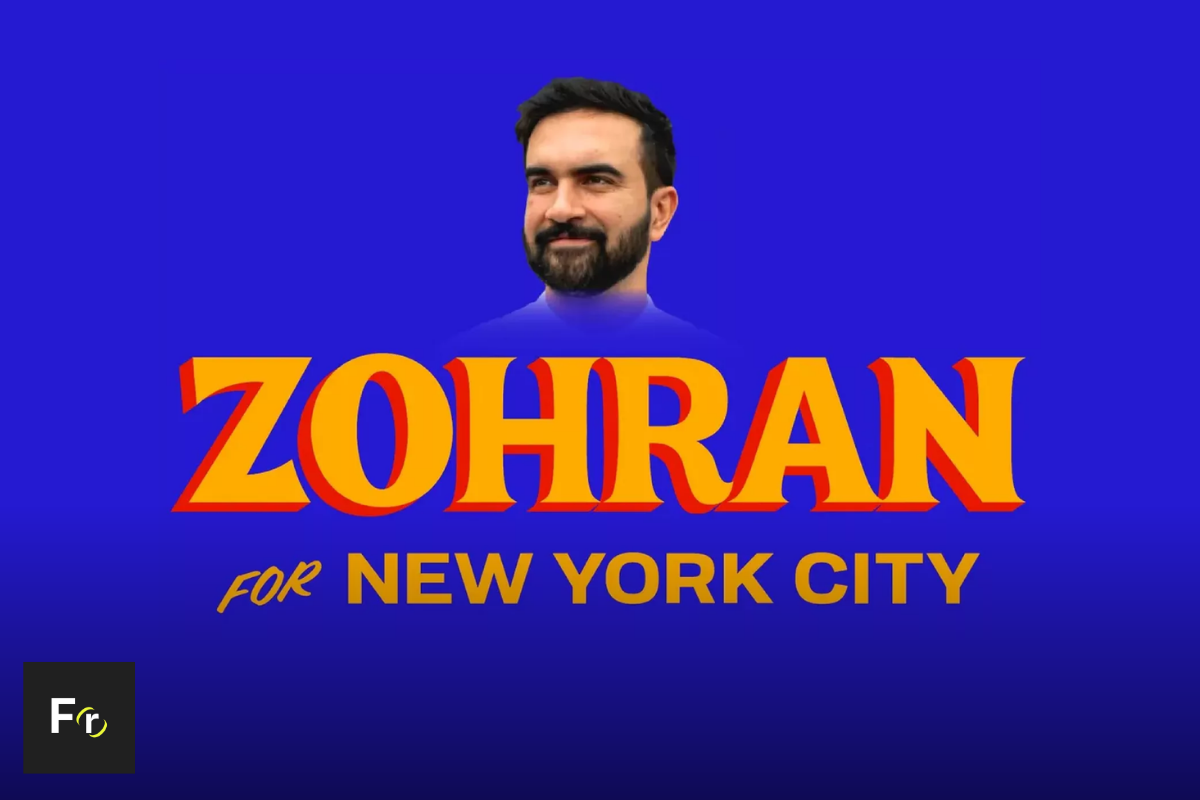
- Visual Identity: Bright electric blue, yellow, and red created a bold, comic-book-like look that felt youthful and energetic, very different from traditional election posters.
- Typography: Big, bold, cinematic typography made the posters look more like movie promotions than political manifestos.
- Voice & Language: The messaging moved naturally between Hindi reels, Bengali slang, and New York street talk, reflecting how the community actually communicates.
Why the Campaign Worked
The campaign didn't feel like it was talking to the community — it felt like it came from the community itself. The design, tone, and energy reflected the culture of the neighborhoods it represented, making the campaign feel authentic and relatable. This is a masterclass in what our branding agency calls cultural intelligence.
The Strategy Behind the Brand
The campaign didn't begin with logos, colors, or visual design. It started with a real problem that many New Yorkers were facing.
- Making New York more affordable for the middle class
- Lowering rising rents across neighborhoods
- Fighting displacement of local communities
From that problem came the story, from the story came the brand, and from the brand came the movement. This connects directly to why the best strategies fit on one page — start with the real problem, not the solution.
The Branding Lesson
This campaign highlights a key principle of modern branding.
- Strong brands start with a clear problem to solve
- Design and identity come after the strategy
- Authentic stories create stronger community connection
In simple terms: problem first, design later — the foundation of every powerful brand. For more on building brands around a clear strategy, read Purple Ocean Strategy. Or, get in touch with Fruture to apply this thinking to your own brand.
Related Insights


How AI is Transforming Paid Advertising for Social Media Marketing Agency
September 5, 2026
Discover how AI is reshaping paid advertising through smarter creativity, faster competitor analysis and improved customer reach. Learn how a leading social media marketing agency and creative agency can help brands scale with AI-powered strategies.