
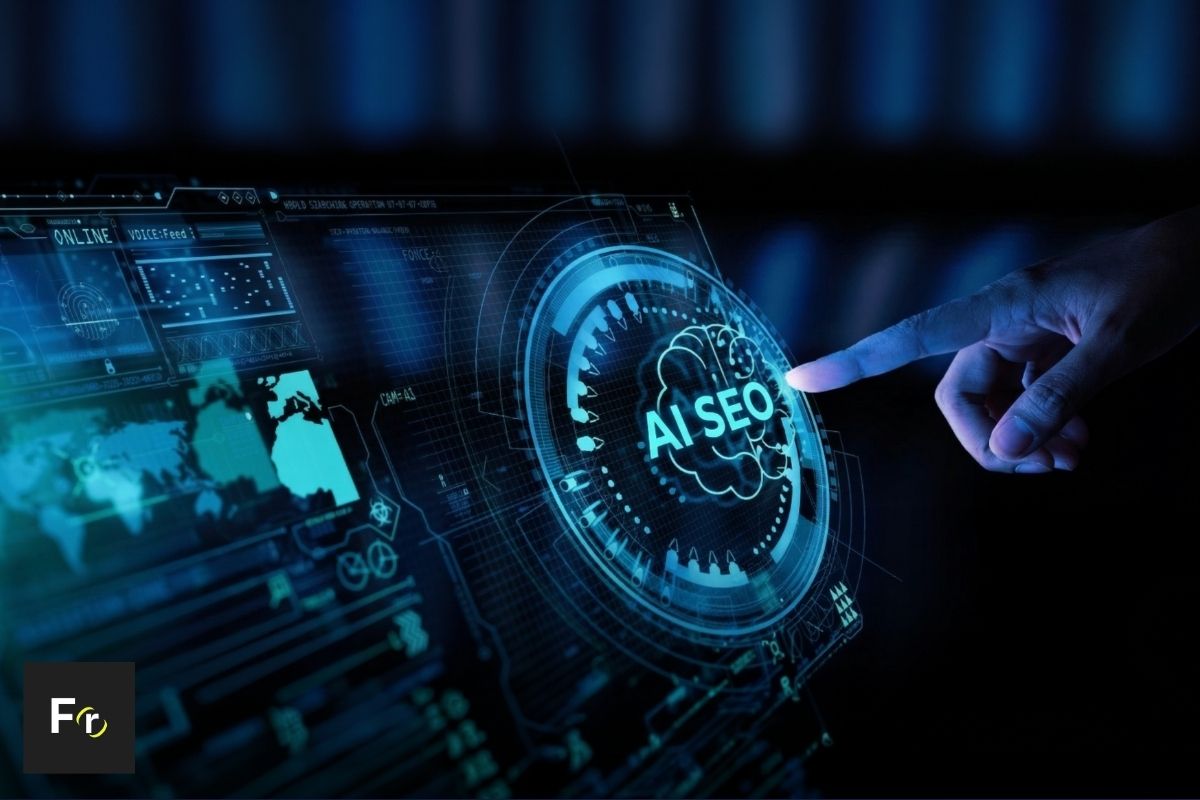
SEO vs AEO vs GEO: The New Rules of Online Discovery
March 2026
Search is evolving beyond traditional Search Engine Optimization (SEO). Today, brands also need Answer Engine Optimization (AEO) to appear in AI-generated answers and Generative Engine Optimization (GEO) to stay visible inside AI-powered summaries and chat-based search. In the new discovery landscape, winning brands won’t optimize for just Google rankings; they’ll build content that search engines, answer engines, and generative AI can all understand and cite.
The Evolution of Search: From SEO to AI-Driven Discovery
For years, digital visibility revolved around Search Engine Optimization (SEO) ranking on search engines, earning clicks, and driving traffic to websites. But the internet has evolved. Today, discovery doesn't happen only through traditional search results.
With the rise of AI-driven platforms and conversational search, businesses now optimize not just for search engines but also for answer engines and generative AI systems. This shift is reshaping how brands appear online and how audiences find information. As we covered in Social Media Is the New Search Engine, discovery is already happening across platforms, not just Google.
SEO: Optimizing for Traditional Search Engines
SEO remains the foundation of digital visibility. It focuses on helping websites rank on search engines like Google and Microsoft's Bing by making content easier for search algorithms to crawl, understand, and rank.
The goal of SEO is simple: appear prominently in search results so users can discover and click through to your website. Learn the fundamentals in SEO Is Reputation at Scale.
Core elements of SEO include:
- Keyword optimization and user intent alignment
- Quality backlinks from trusted websites
- Technical site health and performance
- Metadata, titles, and structured content
AEO: Optimizing for Answer Engines
Answer Engine Optimization (AEO) focuses on helping brands appear inside AI-generated answers rather than only as clickable links. Platforms such as ChatGPT, Perplexity AI, Claude, and Gemini are increasingly providing direct answers to users.
Instead of presenting a list of links, these systems generate summarized responses—and the goal is to have your brand referenced within those answers.
Key components of AEO:
- Structured data and schema markup
- FAQ-based content that answers specific questions
- Strong authority signals and credible sources
- Semantic content that AI systems can easily interpret
GEO: Optimizing for Generative AI Systems
Generative Engine Optimization (GEO) represents the newest layer of search optimization. It focuses on ensuring that content is discoverable within AI-generated summaries, conversational results, and multimodal search experiences.
Generative AI platforms such as Microsoft Copilot, Gemini, and Meta AI are changing how users explore information—often through chat interfaces rather than traditional search pages. This is also shaping the post-app era of computing.
Important GEO signals include:
- Clear and factual information structures
- Strong brand entities recognized across the web
- Trust signals like citations and authoritative mentions
- Content formatted for easy AI summarization
Why Brands Must Think Beyond SEO
Relying only on traditional SEO strategies is no longer enough in an AI-driven search environment. Users increasingly receive direct answers, summaries, or recommendations generated by AI tools.
Brands that adapt to this shift will gain visibility not only in search results but also within AI responses and discovery platforms.
The 2026 Reality: Building for All Three
The future of digital visibility is not about choosing between SEO, AEO, or GEO. Instead, successful brands will design strategies that integrate all three layers.
Search is evolving into a combination of traditional queries, AI-generated answers, and conversational discovery. Brands that prepare for this ecosystem will remain visible as the internet continues to change. Need help building a content strategy that covers all three? Get in touch with Fruture.
How marketers can prepare:
- Build authoritative, structured content
- Focus on answering real user questions
- Strengthen brand entities across the web
- Format information clearly for both humans and AI systems
The digital landscape is shifting rapidly. SEO gets you discovered on search engines, AEO helps you become the answer, and GEO ensures your brand stays visible within the AI-powered future of search.
Related Insights
How AI is Transforming Paid Advertising for Social Media Marketing Agency
September 5, 2026
Discover how AI is reshaping paid advertising through smarter creativity, faster competitor analysis and improved customer reach. Learn how a leading social media marketing agency and creative agency can help brands scale with AI-powered strategies.