
The Post-App Era Is Beginning
January 2026
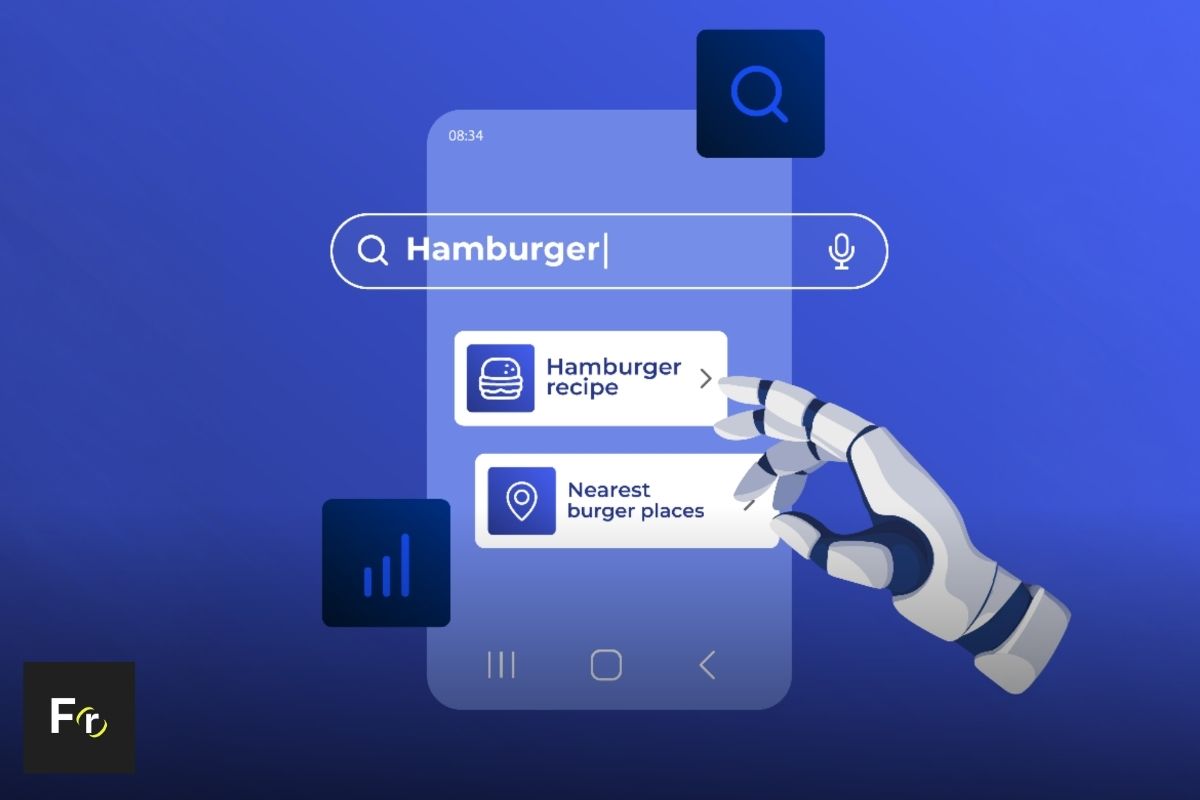
For years, smartphones worked around opening and closing apps. But with AI reshaping interfaces, that model is starting to fade. Instead of navigating through app grids, users will interact with AI-powered surfaces that predict needs and respond instantly. For brands and builders, this means prioritizing context, personalization, and seamless experiences, because in the post-app world, relevance matters more than navigation.
The Shift Toward a Post-App World
For more than a decade, smartphones have followed a simple pattern: open an app, complete a task, and close it. A grid of icons defined how people navigated their devices and interacted with digital services.
But that model is beginning to evolve. As AI becomes more integrated into everyday technology, interfaces are moving toward systems that predict needs and surface actions instantly, rather than requiring users to navigate multiple apps. This connects directly to AI becoming foundational infrastructure — the shift isn't just in marketing, it's in how technology itself works.
From App Grids to Intelligent Interfaces
The emerging approach to computing is shifting away from fixed app structures toward dynamic interfaces powered by AI. Instead of searching through multiple applications, users interact with responsive elements that provide the right tool or information at the right moment.
Technology companies such as Apple, Google, and Microsoft are already experimenting with systems where AI integrates tasks across platforms rather than isolating them within separate apps.
Characteristics of these new interfaces:
- AI-powered surfaces that adapt to user behavior
- Context-aware suggestions and actions
- Seamless interaction without switching apps
The Home Screen Becomes a Workspace
In this new model, the smartphone home screen is no longer just a launchpad for applications. Instead, it becomes a living workspace where information, tools, and actions appear dynamically based on context.
Users might interact with reminders, messages, tasks, or recommendations without needing to open separate applications. This is also reshaping how platforms like WhatsApp are evolving into identity-first ecosystems.
How this changes everyday interaction:
- Tasks can be completed directly from the interface
- Information appears proactively instead of being searched
- Fewer steps are required to complete common actions
Why Context Will Matter More Than Features
As AI-driven systems evolve, success will depend less on the number of features inside an app and more on how intelligently those features are delivered.
Products that understand context, location, intent, behavior, or time — will create smoother and more useful experiences. This has major implications for how brands approach SEO, AEO, and GEO in a post-app discovery world.
Key drivers of future user experience:
- Context-aware functionality
- Intelligent recommendations
- Seamless integration between tools
What This Means for Builders and Creators
For designers, developers, and product teams, the shift toward AI-driven interfaces changes the way digital products are designed and delivered.
Instead of building isolated apps, creators will increasingly build services that integrate into broader AI ecosystems. If you're building digital products, our Webflow development agency specialises in future-ready web experiences.
Key implications for product design:
- User experience will matter more than feature lists
- Personalization will become a core product element
- Tools will remain active instead of being opened and closed
From Navigation to Intuition
The biggest change in the post-app era is how users interact with technology. Instead of navigating through menus and apps, people will expect technology to anticipate needs and present solutions automatically.
This transforms the digital experience from one based on manual exploration to one based on intelligent assistance.
The emerging expectations of users:
- Immediate responses instead of multi-step navigation
- Personalized experiences tailored to individual behavior
- Interfaces that surface relevant actions automatically
As AI continues to reshape digital ecosystems, the focus will move away from individual apps toward integrated, context-driven experiences. Products and brands that adapt to this shift will be better positioned for the next generation of computing. Talk to Fruture to explore what this means for your brand.
Related Insights


How AI is Transforming Paid Advertising for Social Media Marketing Agency
September 5, 2026
Discover how AI is reshaping paid advertising through smarter creativity, faster competitor analysis and improved customer reach. Learn how a leading social media marketing agency and creative agency can help brands scale with AI-powered strategies.