AI Speeds Up Marketing — But Taste Still Wins
December 1, 2025
AI can accelerate execution, but it can’t replace human judgment. When marketers rely on it to do the thinking, the result is content that looks correct but feels interchangeable. The real advantage comes when strong ideas and clear decisions exist before the prompt—because AI amplifies taste, it doesn’t create it. Use it as a tool to sharpen execution, not replace imagination
If AI Disappeared Tomorrow, What Would Be Hardest?
Artificial intelligence has quickly become part of everyday marketing workflows. From writing copy to generating visuals, many teams rely on AI tools to speed up execution.
But if these tools suddenly disappeared, the real challenge wouldn’t be production—it would be thinking. The hardest parts of creative work often happen before execution begins: understanding the brief, shaping ideas, and deciding what truly deserves attention.
Why So Much AI Content Feels Similar
A large amount of AI-generated content appears technically correct but emotionally indistinct. Designs look polished and copy reads smoothly, yet the work often feels interchangeable.
This happens because the systems optimize for patterns that already exist rather than for distinct creative judgment.
Common traits of repetitive AI content:
- Similar lighting, compositions, or visual styles
- Familiar phrasing and storytelling structures
- Predictable emotional tone and pacing
Without deliberate creative decisions, content begins to blend into a uniform style.
AI Accelerates Execution, Not Taste
AI tools are powerful because they dramatically reduce the time required to produce content. However, they do not replace creative taste or judgment.
Instead, AI tends to amplify the quality of the direction it receives.
How AI interacts with creative judgment:
- Strong creative taste → clearer, stronger output
- Weak or vague direction → generic results
- Clear ideas → faster and more effective execution
In other words, the tool scales the thinking that already exists.
The Real Work Happens Before the Prompt
The most important creative decisions occur before any prompt is written. This includes understanding the audience, defining the message, and deciding why a particular idea deserves to exist.
Without that foundation, even the most advanced tools simply produce more content without meaningful impact.
Critical thinking that happens before AI:
- Defining the core idea or narrative
- Deciding what should be communicated
- Identifying what should be left unsaid
- Establishing the creative direction
AI as an Accelerator, Not a Replacement
When used thoughtfully, AI becomes a powerful assistant. It can help explore variations, speed up iterations, and refine execution once the creative direction is clear.
The key is treating AI as a tool for enhancement rather than a substitute for imagination.
Where AI adds the most value:
- Generating multiple creative directions quickly
- Speeding up experimentation and iteration
- Enhancing execution once the idea is defined
Keeping Creativity Human
The most effective use of AI keeps the core creative responsibility with humans. Ideas, taste, and judgment remain human-led, while the technology helps bring those ideas to life more efficiently.
A balanced approach to AI:
- Human insight defines the concept
- Human judgment selects the direction
- AI accelerates the execution
When used this way, AI becomes a lens that sharpens creativity rather than replacing it. Without human imagination guiding the process, technology simply produces more content—faster, but not necessarily better.
Related Insights
The Post-App Era Is Beginning
January 1, 2026
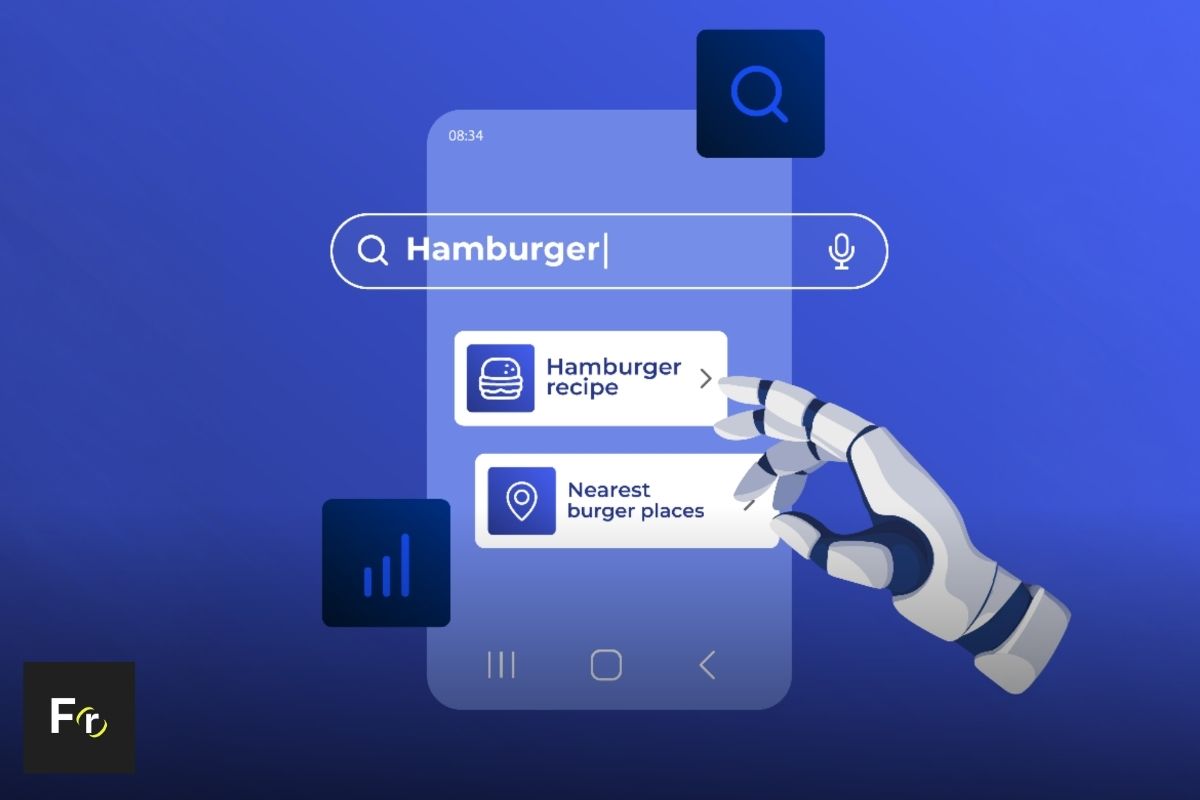
For years, smartphones worked around opening and closing apps. But with AI reshaping interfaces, that model is starting to fade. Instead of navigating through app grids, users will interact with AI-powered surfaces that predict needs and respond instantly. For brands and builders, this means prioritizing context, personalization, and seamless experiences—because in the post-app world, relevance matters more than navigation.

Why Your Brain Ignores Most Marketing (And What Brands Should Do About It)
November 1, 2025
Our brains filter out nearly 99% of the information around us, focusing only on what feels visually distinct or emotionally powerful—a concept known as Salience Bias. For marketers, this means blending in is the biggest risk. Bold visuals, strong emotions, and unexpected design help messages break through the noise and become the one thing people actually notice.
Why the Best Marketing Strategies Fit on One Page
February 1, 2026
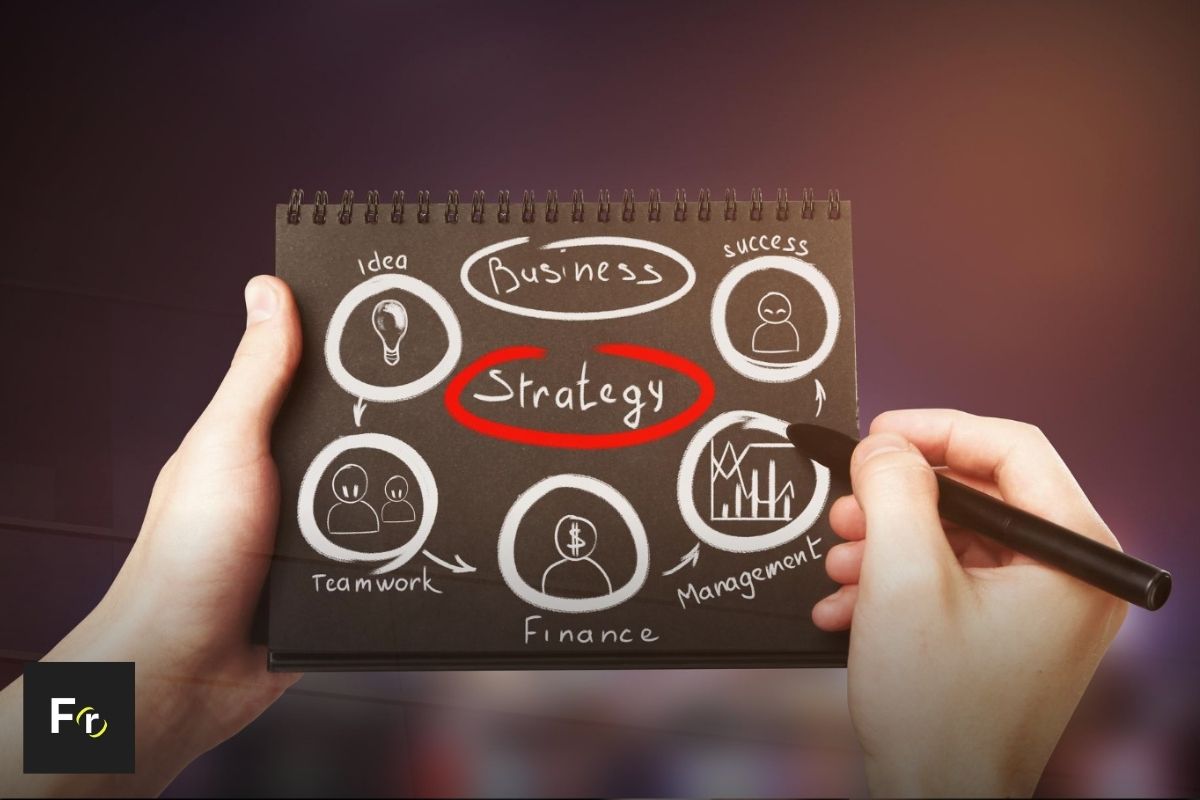
In a world of endless presentations and 100-slide decks, the most effective strategies often fit on a single page. A Strategy-on-a-Page forces clarity—defining the real problem, uncovering the human insight, shaping a sharp strategy, and aligning tactics around it. When the foundation is this clear, teams move with direction instead of chaos, and execution becomes far more powerful.